


Introduction
Few things affect a family’s wellbeing as quickly and completely as a child who will not sleep. Exhausted parents, difficult mornings, and a child who is irritable, inattentive, or emotionally reactive during the day are often the direct result of poor sleep at night. A Sleep Disorder Assessment in Perth at WA Paeds looks beneath the surface of bedtime battles and night waking to identify what is actually driving the problem, so families can move from exhaustion to real, lasting solutions.

Why Children’s Sleep Problems Deserve Proper Attention
It is easy to dismiss sleep difficulties as a normal, temporary part of childhood, and sometimes they are. But when poor sleep persists for months, affects a child’s mood, behaviour, or learning during the day, or involves patterns like loud snoring, breathing pauses, or extreme difficulty settling, it deserves a proper clinical look rather than another round of trial-and-error bedtime strategies. Sleep is not separate from a child’s overall development — it directly affects attention, emotional regulation, memory, and physical growth.
Common Signs That Suggest a Sleep Disorder Assessment Is Needed
- Taking more than 30 to 45 minutes to fall asleep on most nights
- Frequent night waking that disrupts sleep for the whole family
- Loud snoring, gasping, or noticeable pauses in breathing during sleep
- Extreme difficulty waking in the morning despite an adequate bedtime
- Significant daytime sleepiness, irritability, or difficulty concentrating
- Sleepwalking, night terrors, or other unusual behaviours during sleep
- Resistance to bedtime that goes well beyond typical stalling
How Sleep Problems Connect to Other Developmental Concerns
Sleep difficulties frequently overlap with conditions like ADHD and autism, and the relationship runs in both directions. Children with ADHD often have genuine physiological differences in sleep regulation, not just behavioural resistance to bedtime. Children on the autism spectrum frequently experience sensory sensitivities and difficulty with the transition to sleep. At the same time, poor sleep on its own can produce symptoms that closely resemble ADHD — poor attention, impulsivity, and emotional volatility — which is exactly why a proper assessment matter. Treating a sleep problem as if it were simply a behavioural issue, or treating attention difficulties without ever addressing an underlying sleep disorder, often means missing the real cause entirely.
What a Sleep Disorder Assessment at WA Paeds Involves
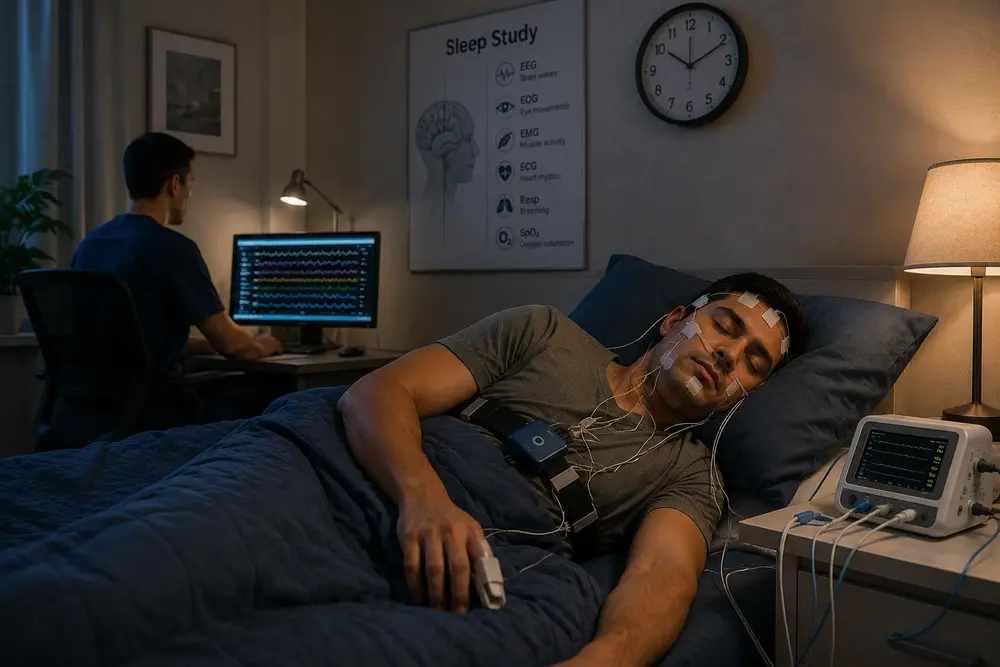
A sleep assessment at WA Paeds starts with a detailed conversation about your child’s sleep history, including bedtime routines, night waking patterns, snoring or breathing concerns, and how sleep difficulties are affecting daytime functioning. The paediatrician reviews your child’s overall health and development to identify any physical, behavioural, or environmental factors contributing to the problem. Depending on what the initial consultation reveals, further investigation such as a referral for a sleep study may be recommended for children showing signs of a breathing-related sleep disorder.
Practical Steps While You Wait for Assessment
While you arrange an assessment, a few consistent habits can help in the meantime. Keep bedtime and wake times steady, even on weekends. Limit screens for at least an hour before bed, since screen light and stimulating content can delay the brain’s natural wind-down process. Keep the bedroom cool, dark, and quiet, and maintain a short, predictable bedtime routine your child can rely on each night. These strategies will not resolve an underlying sleep disorder, but they create the best possible environment while you wait for a proper assessment.
What Families Gain from an Accurate Diagnosis
Once the cause of your child’s sleep difficulty is identified, WA Paeds provides specific, practical recommendations rather than generic sleep hygiene advice. This might include targeted behavioural strategies, referral to a sleep specialist, or addressing a co-occurring condition that has been driving both the sleep problem and daytime symptoms. Families consistently describe the relief of finally understanding why their child isn’t sleeping, rather than continuing to guess.
The Long-Term Cost of Leaving Sleep Problems Unaddressed
It is tempting to treat poor sleep as something a family simply has to push through until it improves on its own. Left unaddressed, however, chronic sleep difficulties can affect far more than how tired everyone feels in the morning. Ongoing sleep loss in children has been linked to poorer emotional regulation, reduced attention span, weaker memory consolidation, and slower physical growth. It can also strain family relationships, as exhausted parents and an overtired child navigate daily routines with less patience and resilience than usual. Addressing a sleep problem early, through a proper assessment rather than months of trial and error, protects both your child’s development and your family’s overall wellbeing.
Conclusion
A Sleep Disorder Assessment in Perth at WA Paeds helps families move past exhausting guesswork and toward real answers about their child’s sleep. If bedtime has become a nightly struggle or your child is consistently tired, irritable, or inattentive during the day, contact WA Paeds today to book a sleep disorder assessment and start working toward better nights for the whole family.