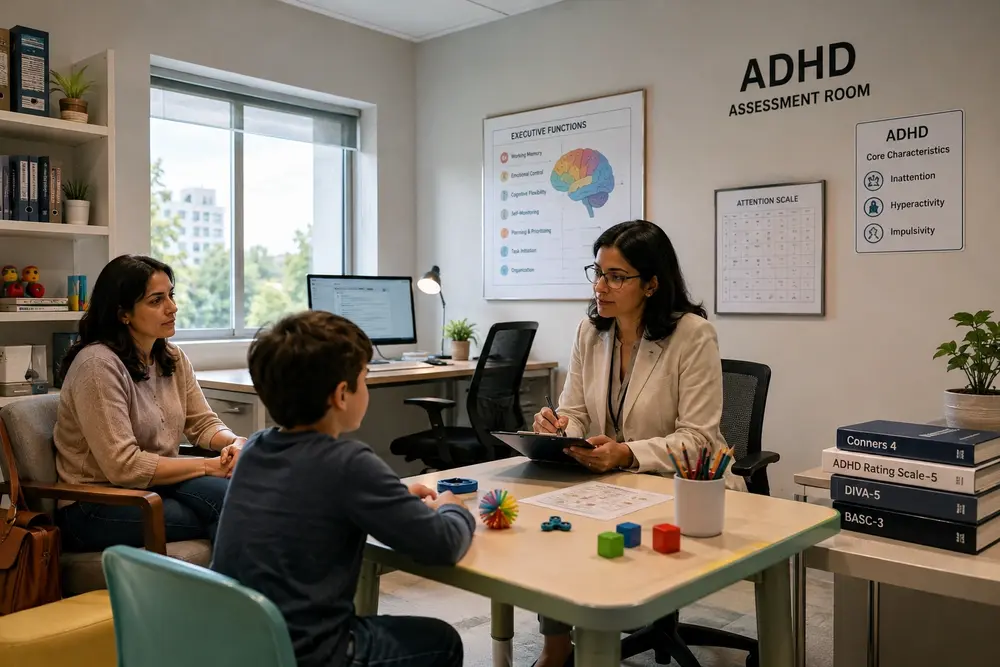


For many families, the moment of diagnosis feels like the end of a long and exhausting search for answers. But an ADHD Diagnosis in Perth is not a finish line — it is the starting point of a new, more informed chapter. Parents often leave the feedback appointment with a mixture of relief and uncertainty, unsure of exactly what to do next or in what order. This blog lays out a clear roadmap for the weeks and months that follow an ADHD diagnosis, so families know what to expect and how to move forward with confidence.
Introduction

The First Few Weeks: Processing and Planning
Immediately after diagnosis, most families need a period simply to process the news. This is completely normal, even when the diagnosis brings relief. Alongside this emotional adjustment, the practical work begins. The written report from WA Paeds becomes the central document guiding everything that follows — it outlines the diagnosis, the child’s specific cognitive profile, and initial recommendations. It is worth reading this report carefully and bringing questions to the feedback session, because everyone involved in supporting the child going forward will rely on its contents.
Sharing the Diagnosis with School
One of the most important early steps is meeting with the child’s school. The written report gives the school the specific evidence they need to develop an Individual Education Plan or classroom adjustments tailored to the child’s needs. This might include preferential seating, extra time for written tasks, movement breaks, or modified instructions broken into smaller steps. Schools are far more able to help once they have a clear clinical picture rather than a general sense that a child is “struggling to focus.”
Considering Therapeutic Support
Depending on the child’s specific profile, the paediatrician may recommend occupational therapy, psychology, or speech pathology alongside the ADHD diagnosis, particularly where co-occurring difficulties such as anxiety or a learning disability were also identified. Occupational therapy can help with self-regulation and organisational skills. Psychology, particularly approaches suited to the ADHD brain, can support emotional regulation and build practical coping strategies. These supports work best when they are introduced gradually, rather than all at once, so the family and child are not overwhelmed.
The Medication Conversation
For many families, one of the most significant decisions following diagnosis is whether to consider medication. This is always an individual decision made in partnership with the paediatrician, based on the severity of symptoms, the child’s specific circumstances, and the family’s own values. The paediatrician will discuss the evidence base honestly, including expected benefits and possible side effects, so that parents can make an informed choice rather than a rushed one. Medication is never presented as the only path forward — it is one option among several that may be combined with therapy and school support.
Adjusting Expectations and Routines at Home
A diagnosis often changes how parents interpret behaviour they previously found frustrating or confusing. Recognising that inconsistency, forgetfulness, or emotional outbursts are neurological rather than a matter of effort or motivation allows parents to respond with structure and patience rather than frustration. Simple home adjustments — visual schedules, consistent routines, and breaking tasks into smaller steps — often make a significant difference once parents understand the reasoning behind them.
Follow-Up Reviews
An ADHD diagnosis is not a single event to be filed away. Children’s needs change as they grow, move through school years, and encounter new academic and social demands. Regular follow-up appointments allow the paediatrician to track how the child is progressing, adjust any medication if it has been introduced, and update recommendations for school as circumstances change. Families should expect this to be an ongoing relationship rather than a one-off assessment.
Building a Support Team Around the Child
The most effective outcomes tend to happen when everyone around the child — parents, teachers, therapists, and the paediatrician — are working from the same understanding and the same report. WA Paeds encourages open communication between all of these parties, because a consistent approach across home, school, and therapy produces far better results than each party working in isolation.
Conclusion
Receiving an ADHD Diagnosis in Perth opens the door to a structured, supported path forward rather than more uncertainty. Knowing what to expect in the weeks and months that follow makes that path far less overwhelming. If your child has recently been diagnosed with ADHD, or if you are still working through what the diagnosis means for your family, WA Paeds is here to guide you through every step. Contact WA Paeds today to discuss the next steps following an ADHD diagnosis and build the right support plan for your child.