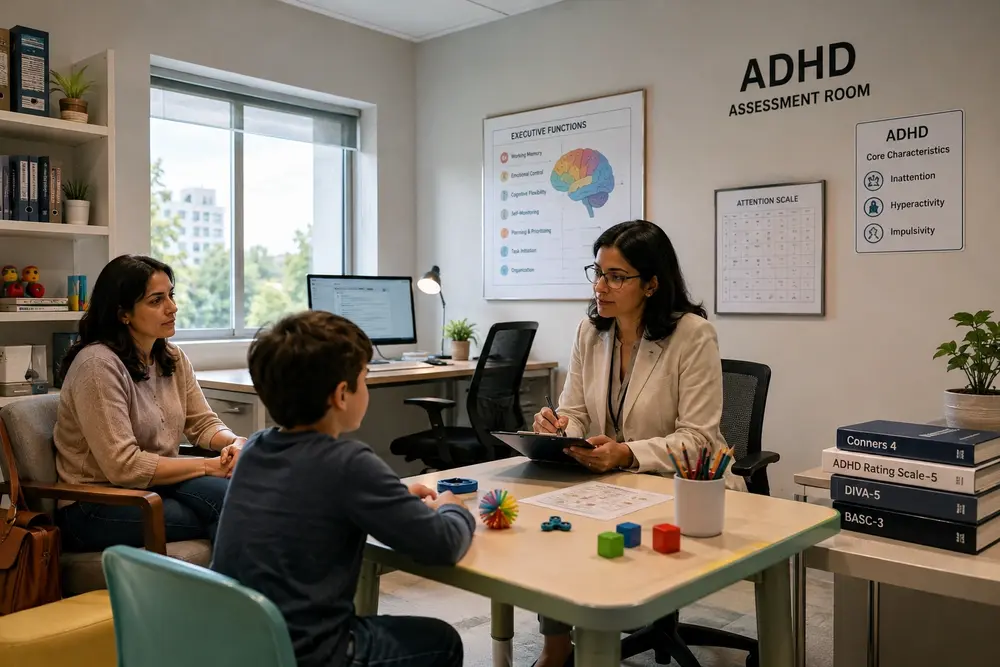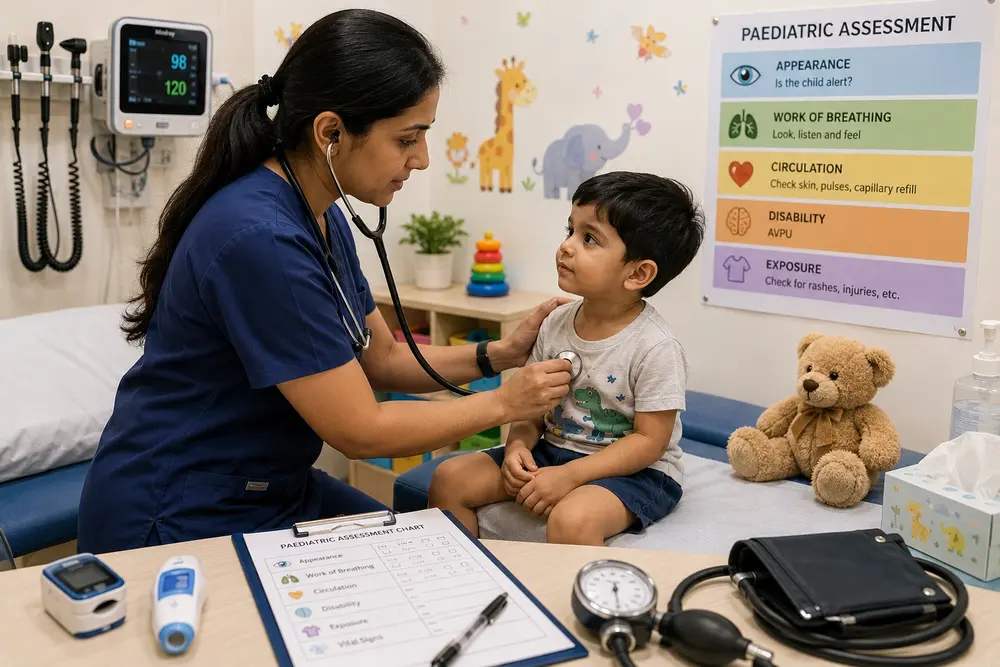


When parents notice that their child is developing differently from peers — whether in their speech and language, their behaviour, their social connections, their emotional responses, or their learning — a professional assessment provides the clear answers that intuition alone cannot give. A Developmental and Behavioural Assessment in Perth at WA Paeds is a comprehensive evaluation that looks at how a child is growing across all key areas of development. It identifies what is going well, what needs support, and whether any diagnosable condition is contributing to the difficulties the child is experiencing. This blog explores the most common conditions identified through these assessments and explains what that identification means for children and families.

What a Developmental and Behavioural Assessment Evaluates
Before exploring specific conditions, it is important to understand the scope of what a developmental and behavioural assessment covers. At WA Paeds, these assessments evaluate the following key domains of child development:
- Language and communication — both expressive language (what the child says and how they say it) and receptive language (what the child understands)
- Cognitive development — reasoning ability, problem-solving, memory, and capacity for learning across different content areas
- Social and emotional development — how the child relates to others, manages their own emotions, and navigates social situations
- Motor development — gross motor skills such as running, jumping, and balance, and fine motor skills such as handwriting, drawing, and using cutlery
- Adaptive behaviour — real-world independence skills including self-care, following routines, and managing daily tasks appropriate to the child’s age
- Sensory processing — how the child takes in and responds to sensory information from their environment
By evaluating all of these domains together, the assessment produces a comprehensive developmental profile — a complete picture of the child’s strengths and the areas where support or further investigation is needed.
Autism Spectrum Disorder
ASD is among the most commonly identified conditions through developmental assessments, particularly when the assessment is prompted by concerns about social communication and repetitive behaviour. Autism affects how a child communicates with others, how they process sensory information, and how flexible they are in their thinking and behaviour.
When autism is identified through a developmental assessment, the finding opens access to NDIS funding and a range of therapeutic supports specifically designed for the autism spectrum. Early identification — particularly before school age — allows support to begin during the developmental window when it has the greatest positive impact.
Attention Deficit Hyperactivity Disorder
ADHD affects attention regulation, impulse control, and activity levels. It is commonly identified when a child is struggling to focus in class, experiencing significant behavioural difficulties at home, or falling behind academically despite having the cognitive capacity to succeed.
A developmental assessment identifies ADHD and also looks for conditions that frequently co-occur with it — specific learning disabilities, anxiety, and autism features are all more common in children with ADHD than in the general population. Understanding the complete picture, rather than just the ADHD diagnosis in isolation, is essential for planning effective support.
Also Read-The Importance of Early Diagnosis for Learning Disabilities in Children
Global Developmental Delay
Global developmental delay (GDD) is identified when a child is significantly behind age-level expectations in two or more developmental domains simultaneously. It may be identified because a toddler has not reached expected milestones, or because a preschool child is considerably behind peers across multiple areas.
GDD may be caused by genetic conditions, neurological differences, environmental factors, or may have no clearly identifiable cause. A thorough assessment identifies the specific profile of delay and, where possible, investigates potential underlying causes. Early identification of GDD enables access to early intervention services that support the child’s development during the years when they are most able to benefit.
Speech and Language Disorders
Speech and language difficulties are among the most common reasons parents seek a developmental assessment. These include expressive language disorders, where the child struggles to communicate their thoughts and ideas in speech, receptive language disorders, where the child has difficulty understanding what is said to them, speech sound disorders, where the child’s speech is difficult for others to understand, and selective mutism, where a child who can speak in some environments becomes silent in others, typically related to anxiety.
A developmental assessment identifies the type and severity of language difficulty and guides the appropriate speech pathology referral and treatment approach.
Intellectual Disability
An intellectual disability involves significant limitations in both intellectual functioning and adaptive behaviour that are present from childhood. Developmental assessments identify intellectual disability through standardised cognitive testing and adaptive behaviour assessment. Early identification allows for tailored educational planning and access to NDIS funding that supports the child’s independence, learning, and quality of life.
Emotional and Behavioural Disorders
Some children are referred for assessment because of significant behavioural challenges — persistent aggression, extreme emotional reactions, severe anxiety, or behaviours that are dangerous to themselves or others. Developmental assessments approach these presentations by examining what is driving the behaviour rather than simply describing it. Challenging behaviour is often a symptom of an underlying neurodevelopmental condition, an emotional disorder, a response to environmental stress, or a combination of these factors. Identifying the underlying cause is essential for choosing an intervention that actually addresses the root of the problem rather than just managing the surface behaviour.
Developmental Coordination Disorder
Also known as dyspraxia, developmental coordination disorder affects the ability to coordinate movement and learn new motor skills. Children with DCD may be noticeably clumsy, have significant difficulty with handwriting, struggle to participate in sports, and find everyday tasks like dressing and using utensils harder than expected for their age. DCD is often identified during a developmental assessment when motor difficulties are part of the broader pattern of concerns.
What Happens After a Condition Is Identified
Identifying a condition through a Developmental and Behavioural Assessment in Perth is the beginning of a more effective approach to the child’s support — not a ceiling on their potential. Once a condition is identified, families receive a detailed report with specific recommendations for home, school, and therapeutic support.
Depending on the findings, recommendations may include referrals to speech pathology, occupational therapy, psychology, or educational specialists. Schools receive guidance on accommodations and Individual Education Plans. Families learn specific strategies for supporting their child at home. And where the diagnosis qualifies, NDIS funding applications are supported with the clinical documentation required.

Conclusion
A Developmental and Behavioural Assessment in Perth at WA Paeds is a thorough, compassionate investigation into how your child is developing and what they need to thrive. Whether the assessment identifies autism, ADHD, a language disorder, a developmental delay, or another condition, the outcome is always the same: clarity, direction, and access to the right support. WA Paeds provides expert Developmental and Behavioural Assessment in Perth for children of all ages across Western Australia. Contact us today to begin the assessment process for your child.