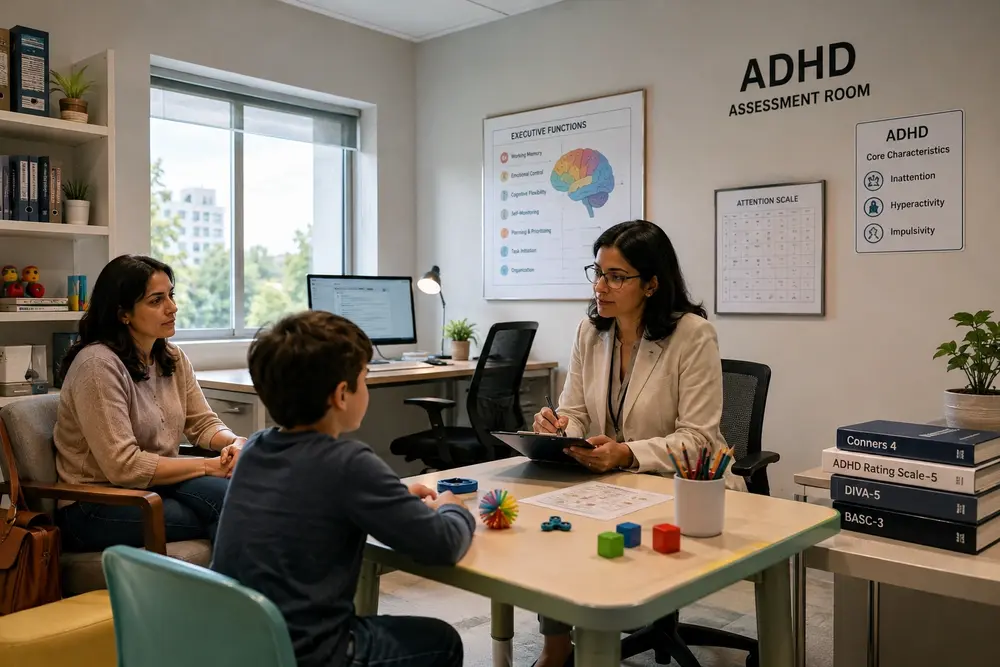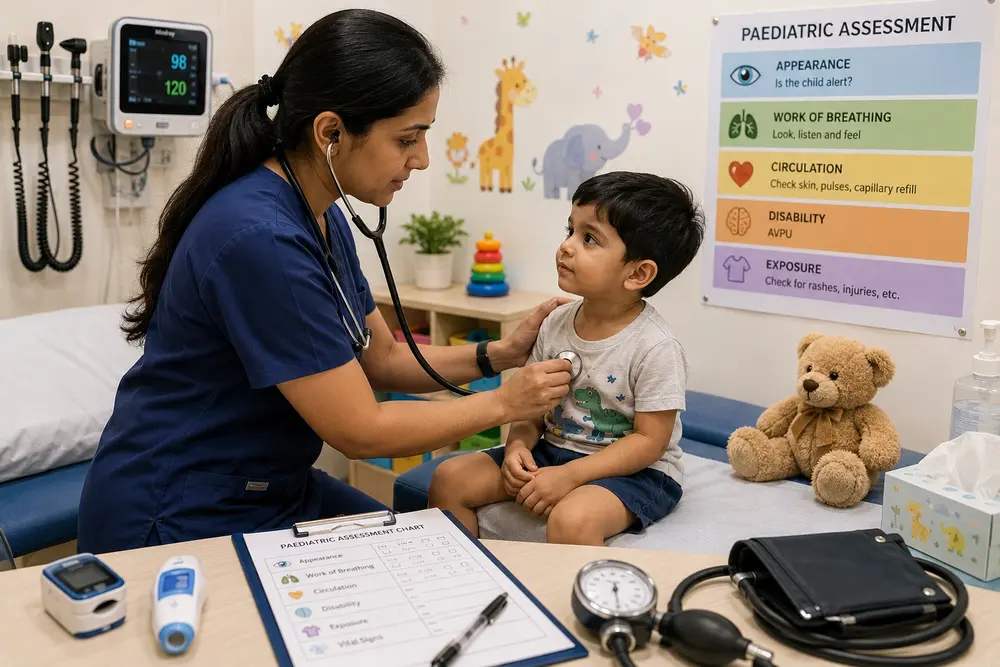


Most parents experience moments of wondering whether their child is on track — whether a delay in talking, a difficulty making friends, a struggle with reading, or a pattern of intense behaviour is within the normal range or a signal that something needs professional attention. Most of the time, the answer is that children develop at their own pace and minor variations are completely normal. But sometimes a pattern of difference persists, crosses multiple areas of development, and genuinely signals that a professional evaluation would be helpful. A Developmental Assessment in Perth at WA Paeds gives parents the expert, comprehensive evaluation that distinguishes normal variation from genuine developmental difference — and provides a clear direction for whatever the assessment finds.
What Child Development Actually Covers
Child development is not just about milestones like first steps and first words. It covers a rich set of interconnected domains that together determine how a child engages with the world, learns, relates to others, and builds independence.
- Language and communication — both expressive language (what the child can say and how they say it) and receptive language (what the child understands when others speak to them)
- Cognitive development — how the child reasons, problem-solves, remembers information, and learns across different types of content
- Social and emotional development — how the child connects with others, reads social situations, manages their own emotions, and builds and maintains relationships
- Gross motor development — the large body movements involved in running, jumping, climbing, balance, and physical coordination
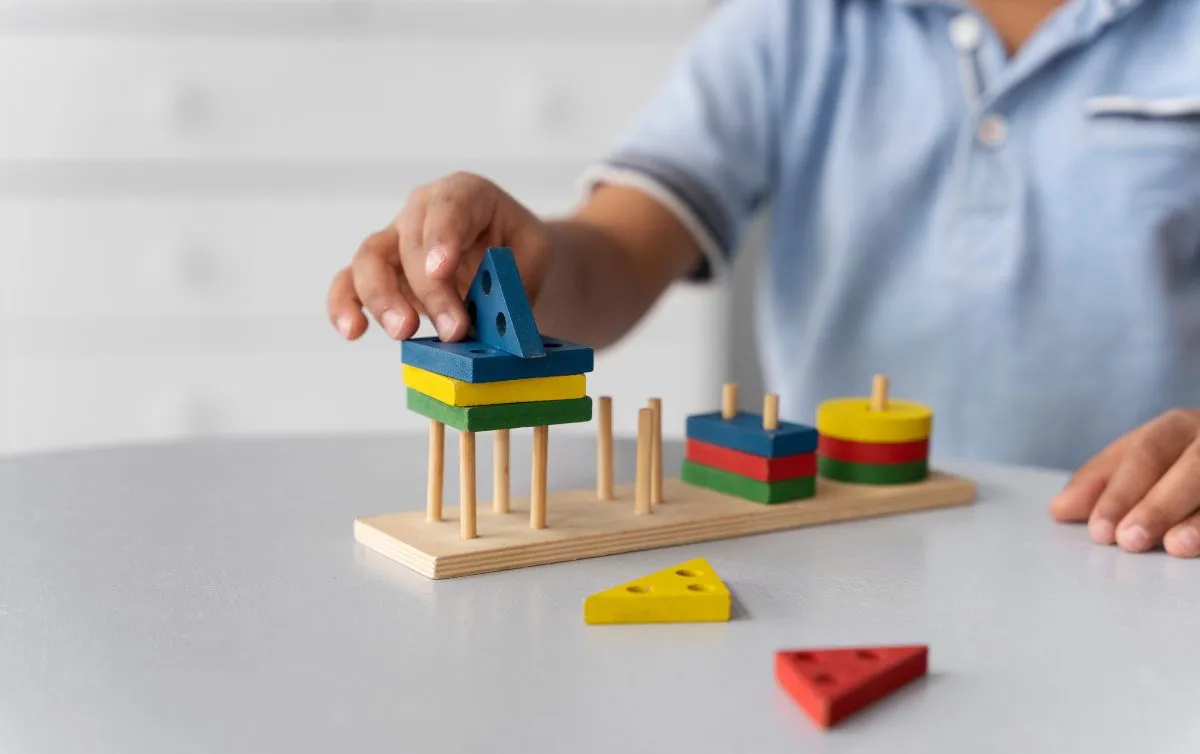
- Fine motor development — the precise hand and finger movements involved in writing, drawing, cutting, and manipulating small objects
- Adaptive behaviour — the everyday life skills appropriate to the child’s age, including self-care, following routines, and managing transitions
- Sensory processing — how the child takes in and responds to information from their senses — sight, sound, touch, taste, smell, movement, and body position
A developmental assessment evaluates all of these domains together, producing a complete picture of the child’s development rather than a fragment of it.
Signs That a Developmental Assessment May Be Helpful
Parents often know something is different before they can name exactly what it is. If you have a persistent sense that your child’s development is not on track — even if you cannot point to a specific milestone they have missed — that feeling is worth taking seriously. Research consistently shows that parental concern is one of the strongest predictors of genuine developmental difference.
Beyond parental instinct, there are more specific signals to watch for:
In Infants and Toddlers
- Not meeting expected language milestones — no words by 18 months, no two-word phrases by 24 months
- Not making eye contact with caregivers or responding to their name by 12 months
- Very limited interest in other people or in interactive play
- Significant delays in motor development — sitting, standing, or walking later than expected
- Loss of skills previously acquired at any age — this always warrants prompt professional review
In Preschool Children
- Speech that is significantly harder to understand than most children of the same age
- Difficulty engaging in pretend play or showing very limited play repertoire
- Extreme emotional reactions or meltdowns that are out of proportion to their cause and persist beyond the age when they would typically be expected
- Behaviour that is significantly different from peers in social situations or group settings
In School-Age Children
- Academic struggles that seem inconsistent with the child’s overall ability — performing far below what they seem capable of
- Significant social difficulties — not understanding unspoken social rules, difficulty making or keeping friends
- Behavioural challenges at school that are affecting learning and social relationships
- Persistent anxiety, emotional withdrawal, or school refusal that is not resolving
- A sense that the child is working significantly harder than peers to achieve the same results, with disproportionate frustration
When the School Raises Concerns
Teachers observe children in group environments every day. They see patterns of development and behaviour across dozens of children of the same age simultaneously, which gives them a perspective on developmental variation that most parents cannot have. When a teacher or school counsellor expresses concern about a child’s development, language, social skills, or behaviour, it deserves serious consideration.
Parents do not need to wait for a school referral to seek a developmental assessment. The decision to seek assessment is always the parent’s, and many children who would benefit significantly from assessment are never formally referred by their school because their difficulties do not reach a level that triggers the school’s internal process. Seeking assessment based on your own observations is always appropriate when concerns are present.
See also-Common Conditions Identified Through Developmental and Behavioural Assessments
The Developmental Assessment Process at WA Paeds
A Developmental Assessment in Perth at WA Paeds is thorough, child-centred, and collaborative.
Developmental History
The assessment begins with a detailed developmental history gathered from parents. The paediatrician asks about pregnancy and birth, the child’s developmental trajectory from infancy to now, family history of developmental conditions, specific concerns that have prompted the assessment, and the child’s behaviour and functioning across different environments.
Clinical Observation and Standardised Assessment
The paediatrician and allied health professionals observe the child across different activities and use standardised assessment tools to evaluate specific developmental domains. These tools compare the child’s performance to age norms established from large reference populations, allowing the assessment team to identify where the child’s development falls relative to expectations for their age.
Input from Teachers and Other Professionals
Where possible, the assessment incorporates information from teachers, childcare workers, or other professionals who know the child. Their observations across different settings add important context to the clinical picture and help ensure that the assessment captures the child’s development comprehensively.
Feedback and Written Report
After the assessment is complete, families receive a comprehensive written report that clearly explains the findings, identifies any diagnoses, and provides specific practical recommendations for home, school, and therapeutic support. A thorough feedback session ensures parents understand the findings and know exactly what the recommended next steps are.
What the Assessment May Find
A developmental assessment at WA Paeds may identify autism spectrum disorder, ADHD, global developmental delay, specific learning disabilities, speech and language disorders, intellectual disability, developmental coordination disorder, anxiety disorders, or combinations of these. In some cases, the assessment confirms that a child’s development is within expected ranges, while identifying areas that would benefit from additional support or monitoring. Whatever the outcome, families leave with accurate information and a clear direction.

Conclusion
If you have been wondering whether a developmental assessment is right for your child, the most important thing to know is this: seeking assessment when you have concerns is never the wrong decision. A Developmental Assessment in Perth at WA Paeds gives you the expert evaluation that replaces uncertainty with clarity and provides your child with access to the support they need. Contact WA Paeds today to book a Developmental Assessment in Perth — because understanding your child’s development is the foundation of supporting it well.